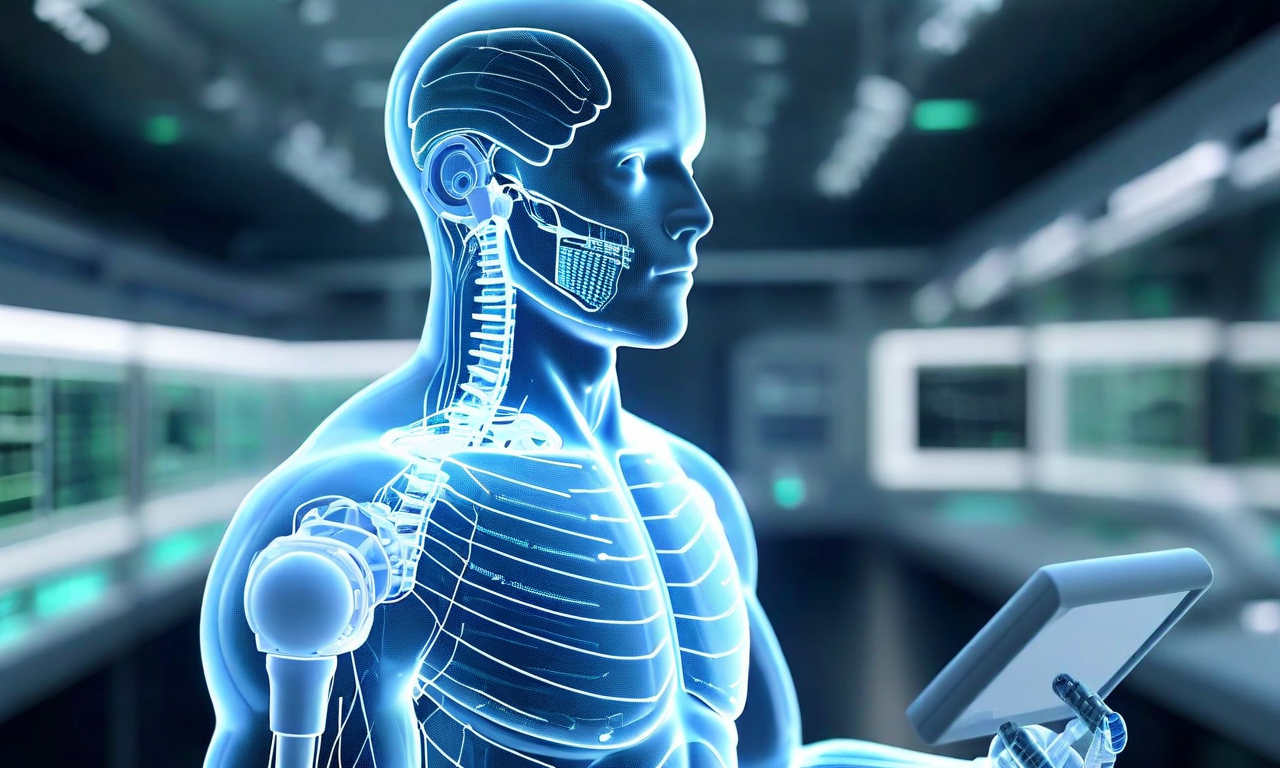
Healthcare has always aspired to individualization — the recognition that each patient is unique and deserves treatment tailored to their specific biology, circumstances, and needs. For most of medical history, this aspiration has been constrained by the limitations of available data and computational tools. Population-level epidemiology tells us what works on average; it cannot tell us what will work for you specifically. That is changing with extraordinary speed. By 2030, the convergence of advanced sensors, genomics, artificial intelligence, and digital therapeutics will make genuinely personalized health guidance a mainstream reality rather than an elite privilege.
The Multi-Omics Revolution
Genomics — the study of an individual's complete genetic sequence — has already demonstrated its power for personalized medicine in specific domains: pharmacogenomics guides drug selection and dosing based on genetic metabolizer status, cancer genomics enables targeted therapies that dramatically outperform traditional chemotherapy for genetically defined tumor subtypes. But genomics alone is insufficient for truly personalized wellness guidance, because genes are not destiny; they are context-dependent instructions whose expression varies dramatically based on environment, behavior, and other biological systems.
The next frontier is multi-omics: the integration of genomic data with proteomics (the protein complement of the genome), metabolomics (the metabolite landscape reflecting current biochemical activity), the microbiome (the collective genetic material of the trillions of organisms residing in the gut), and epigenomics (the gene expression modifications driven by environmental and behavioral factors). Each of these biological layers provides a different window into individual health state and disease risk, and their integration creates an unprecedented view of the biological mechanisms driving wellness and disease.
Consumer access to multi-omics data is advancing rapidly. Direct-to-consumer microbiome testing, continuous glucose monitoring, and metabolomics services are already available. Costs are declining exponentially while analytical capabilities improve. By 2030, comprehensive multi-omics profiling combined with continuous wearable monitoring will be accessible to mainstream consumers, providing the biological foundation for truly precision wellness guidance.
The AI Health Partner
The explosion of health data creates both opportunity and challenge. A single individual's health data — continuous biometrics from wearables, longitudinal nutritional tracking, sleep and activity patterns, mood and stress data, periodic laboratory measurements, and multi-omics profiles — is incomprehensibly complex for any human analyst to integrate and interpret. The opportunity lies in AI systems capable of processing this complexity and extracting actionable insights; the challenge lies in building AI that is trustworthy, transparent, and appropriately humble about the limits of its understanding.
The AI health partners of 2030 will be fundamentally different from today's wellness apps. Rather than providing generic tips and tracking numbers, they will maintain dynamic models of individual health trajectories, predict health risks specific to each user's biology and lifestyle, and proactively guide interventions calibrated to the moments and contexts where they are most likely to be effective and accepted. They will communicate in natural language, explaining the reasoning behind recommendations in terms the user can understand and evaluate. And they will know when to refer to human professionals, maintaining appropriate boundaries around their capabilities.
Preventive Precision Medicine
The combination of multi-omics profiling, continuous monitoring, and AI analysis will enable genuinely preventive approaches to chronic diseases that currently consume enormous healthcare resources. Type 2 diabetes, cardiovascular disease, and several common cancers have long developmental periods during which intervention can prevent or delay progression. The challenge has been identifying who is at elevated risk early enough for prevention to be effective, and delivering interventions that actually change trajectories.
By 2030, continuous health monitoring systems will be capable of detecting the earliest molecular signatures of chronic disease development — glycemic dysregulation years before clinical prediabetes, vascular inflammation indicators preceding cardiovascular events, immune system changes preceding certain cancers. These early signals, combined with multi-omics risk profiling and behavioral data, will enable preventive interventions that are precisely targeted, mechanistically grounded, and initiated long before irreversible pathology develops.
Digital Therapeutics Become Mainstream
Digital therapeutics — software-based interventions that produce clinically validated health outcomes — are on a trajectory from niche applications to mainstream healthcare. Several digital therapeutics have already received regulatory approval in the United States and Europe for conditions including substance use disorders, diabetes, ADHD, chronic lower back pain, and insomnia. By 2030, the digital therapeutics landscape will encompass a broad range of conditions, with products integrated into standard care pathways alongside medications and traditional therapies.
The intersection of digital therapeutics with personalized health platforms creates powerful synergies. When a digital therapeutic knows a user's multi-omics profile, lifestyle patterns, psychological characteristics, and treatment history, it can be calibrated with unprecedented precision to the individual — selecting intervention components most likely to be effective for their specific disease mechanisms, scheduling sessions at times of highest engagement and receptivity, and adapting content based on real-time response signals.
The Vision: Health as a Daily Practice
The most profound transformation that personalized health technology will bring is not any specific capability but a fundamental shift in the relationship between people and their health. Today, most people engage with the healthcare system reactively — when something goes wrong. By 2030, the best-positioned individuals will have developed a continuous, proactive relationship with their health, supported by intelligent platforms that provide ongoing guidance, early warning, and personalized intervention at every stage of the health-disease continuum.
This transformation will not happen automatically or equally. It will require significant investment in health literacy, equitable access to health technology, and thoughtful governance of the data systems that make personalized health possible. But the trajectory is clear: we are moving toward a world where your health platform knows you better than any single clinician could, and uses that knowledge to help you build a genuinely healthier, longer, more vital life. That future is worth building toward — and it is closer than most people realize.