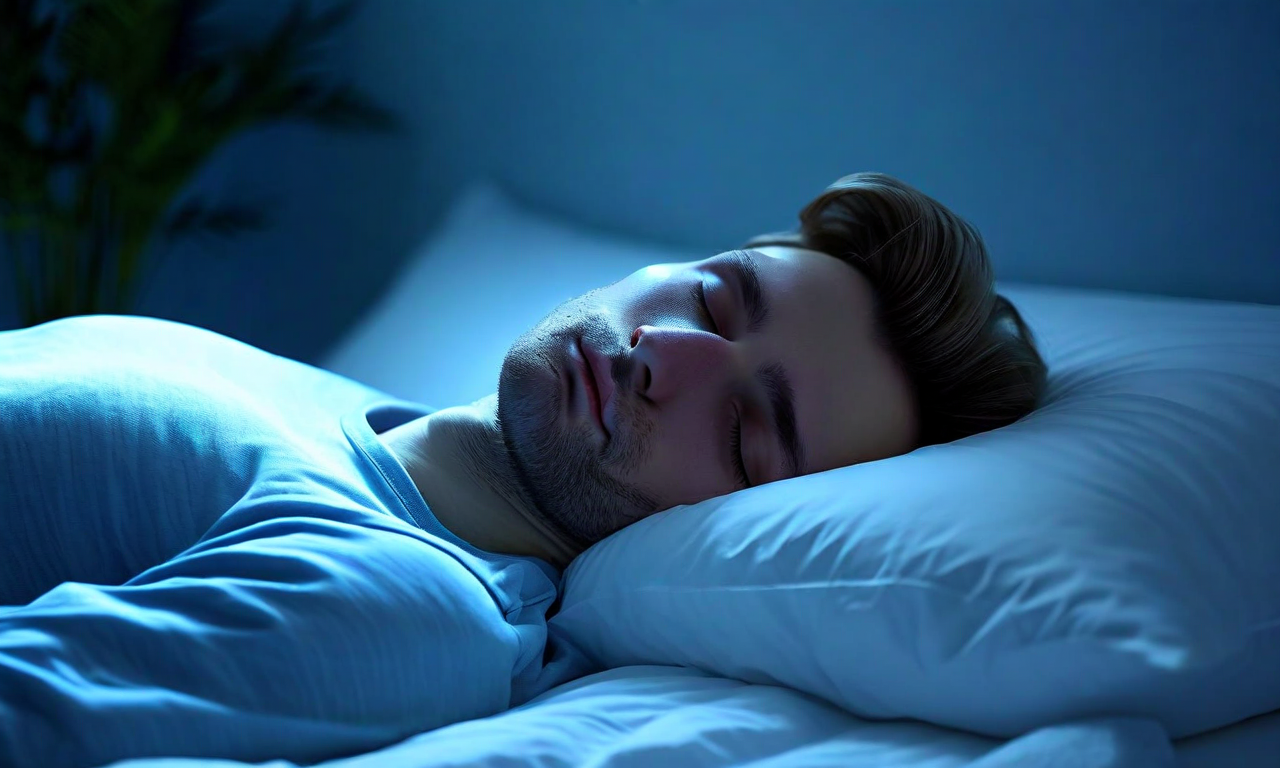
Sleep is arguably the most powerful health intervention available to most people, yet it receives a fraction of the attention devoted to diet and exercise in mainstream wellness discourse. The consequences of this neglect are significant: the Centers for Disease Control estimates that one-third of American adults regularly sleep fewer than the recommended seven hours per night. Chronic sleep insufficiency is associated with elevated risks of cardiovascular disease, type 2 diabetes, obesity, depression, impaired immune function, and premature mortality. Sleep optimization technology is emerging as a powerful tool for addressing this epidemic.
Understanding Sleep Architecture
Effective sleep optimization requires understanding the structure of healthy sleep. A full night's sleep consists of four to six cycles, each approximately 90 minutes in length. Within each cycle, the brain progresses through distinct stages: light sleep (NREM stages 1 and 2), deep sleep (slow-wave sleep, NREM stage 3), and REM (rapid eye movement) sleep.
Each stage serves distinct biological functions. Deep sleep is critical for physical restoration — tissue repair, immune function, and the clearance of metabolic waste products including amyloid beta proteins associated with Alzheimer's disease. REM sleep is essential for emotional processing, memory consolidation, and creative cognitive functions. Getting adequate time in both deep sleep and REM sleep, not just total sleep duration, determines whether a night's rest is genuinely restorative.
Modern Sleep Tracking Technology
Consumer sleep tracking has advanced dramatically in recent years. Early devices could only detect movement during sleep as a proxy for sleep stages. Current generation wearables use sophisticated algorithms combining accelerometers, optical heart rate sensors, skin temperature sensors, and SpO2 monitoring to estimate sleep stages with increasing accuracy. The Oura Ring, Whoop strap, and newer Apple Watch models all provide detailed sleep stage analysis, HRV measurement, and sleep quality scoring.
Heart rate variability measurement during sleep has emerged as a particularly valuable metric. HRV — the variation in time between consecutive heartbeats — reflects the balance between the sympathetic and parasympathetic nervous systems, providing a window into physiological recovery and stress load. High nighttime HRV indicates that the body is recovering well; low HRV signals elevated stress, illness, or inadequate recovery. Tracking HRV trends over time reveals how lifestyle factors affect recovery capacity.
Circadian Rhythm Optimization
The circadian system — the body's master 24-hour biological clock — governs the timing of virtually every physiological process including sleep onset, sleep architecture, hormone secretion, metabolic function, and immune activity. Disruption of circadian alignment, whether through irregular sleep schedules, nighttime light exposure, or shift work, impairs all of these functions simultaneously.
Sleep optimization technology increasingly incorporates circadian principles into its recommendations. Chronotype assessment — determining whether an individual is naturally a morning type, evening type, or intermediate — informs personalized recommendations for optimal sleep and wake times that align with individual biology rather than imposing one-size-fits-all schedules. Smart alarm systems that wake users during light sleep phases minimize sleep inertia by avoiding interruption of deep sleep cycles.
Light management is a central element of circadian optimization. Morning bright light exposure is the most powerful zeitgeber — time cue — for anchoring the circadian clock, while evening blue light exposure delays sleep onset by suppressing melatonin secretion. Apps that model each user's circadian phase and provide personalized light exposure guidance represent a meaningful advancement over generic advice to "avoid screens before bed."
CBT-I: The Gold Standard Intervention
For individuals with chronic insomnia, the most effective evidence-based intervention is cognitive behavioral therapy for insomnia (CBT-I). Multiple meta-analyses have found CBT-I superior to medication for long-term insomnia treatment, with sustained improvements in sleep onset latency, sleep efficiency, and subjective sleep quality. Critically, unlike sleep medications, CBT-I produces lasting improvements that persist after treatment ends.
CBT-I delivered through digital platforms has been validated in randomized controlled trials as effective as therapist-delivered CBT-I for mild-to-moderate insomnia. The core components — sleep restriction therapy, stimulus control, sleep hygiene education, relaxation training, and cognitive restructuring of sleep-related beliefs — translate well to structured app-based programs. Access to evidence-based CBT-I programs through consumer apps represents a significant democratization of effective insomnia treatment.
Environmental and Behavioral Optimization
Technology cannot substitute for the fundamental behavioral and environmental conditions that support healthy sleep, but it can make optimizing those conditions far more precise and personalized. Smart home integrations allow sleep platforms to automatically adjust room temperature to the optimal range for sleep (65-68°F for most people), dim lighting along a personalized evening wind-down schedule, and white noise levels based on ambient sound detection.
Sleep hygiene guidance — consistent sleep and wake times, limited caffeine after noon, regular pre-sleep relaxation routines — is most effective when it is personalized to individual chronotype and lifestyle rather than generic. Data-driven analysis of the specific behavioral factors that most affect a given user's sleep quality enables targeted recommendations that create genuine change rather than a generic list of sleep tips.
The Sleep-Wellness Feedback Loop
Sleep quality profoundly affects virtually every other dimension of wellness. Poor sleep impairs metabolic function, making dietary interventions less effective. It elevates cortisol and inflammatory markers, increasing stress and reducing resilience. It compromises executive function, making it harder to make healthy choices about exercise, nutrition, and stress management. Conversely, improving sleep quality creates positive cascades across multiple health dimensions simultaneously, making it one of the highest-leverage wellness interventions available.
This interconnection makes sleep a natural anchor for holistic wellness programs. Platforms that treat sleep optimization as the foundation on which other wellness interventions are built — improving sleep quality first, then layering in nutrition and activity optimization — consistently outperform those that treat these dimensions in isolation.